
Why People One-Up Others and How to Handle Them
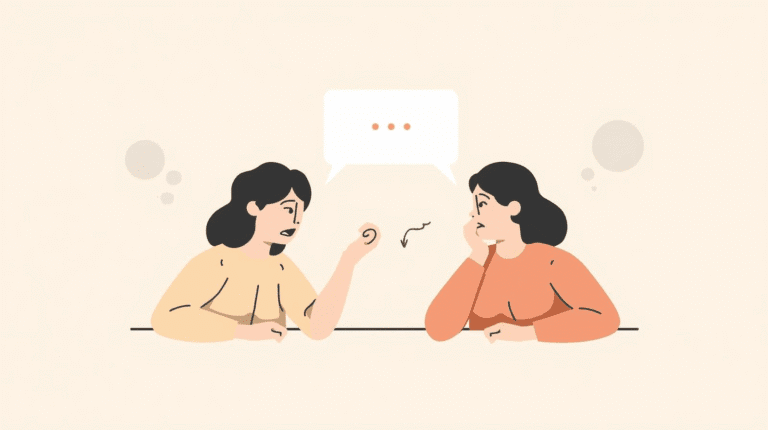
One-Uppers can be among the most challenging and are among the worst people to deal with, if not the worst.
They are those who constantly believe that their stories, achievements, or experiences, good or bad, have more value than anyone else’s.
When you are among friends, and one of them decides to tell the group he bought his dream car.
All of a sudden, someone decides to say something such as: “That’s your dream car?”
This is one simple example. There are plenty more that I could’ve told you.
In my previous post, I wrote about how to identify if you are a one-upper and, if you are, how to stop being one. If these examples fit you, I recommend that you take a look.
Why do People One-Up?
- Sometimes people just one-up because they are too excited and can’t wait to add something that they think is important
It’s unconsciously. They don’t mean to do it, it just comes out like that.
They are so excited to add value to your story that they have the need to intervene. They don’t mean you any wrong, it’s just how they feel, and they can’t control it.
Even though you may not like it, most of the time, people act out of pure emotion rather than malice.
Learn how to see the difference. Don’t respond in a bad way to them, as they aren’t trying to be mean to you. It’s just a misunderstanding.
And that’s an innocent mistake people often make.
- On the other hand, people also do it because they are insecure
And when they see you or someone else telling something that has value, at least for them, they feel bad about themselves.
When that happens, they feel like they need to intervene to talk about themselves, even if that means minimising what you said.
- Because of Dominance
They will say that something worse happened to them, even if you are not trying to compete.
They are not trying to understand you or connect with you, they are just trying to establish dominance.
There are many occasions on which this may happen, it’s not always about suffering.
It can also be about achievements. They will say that they done it better, they went to better places, and they also have more things than you.
That’s when you gotta have an attitude. Identify why that person is one-upping you and decide what you should do about it.
Most of the time, it’s easy to identify the reason, because when people are insecure, they do a lot more than one-upping.
You can see by their faces when you are talking, the way they look at you, and how they react when you are having a conversation with them.
If This Resonates:
How to deal with one-uppers:
When you encounter this type of behavior mentioned in the description, you should avoid trying to top what they’re saying.
When you do this, you are just giving them more motives to fulfill their need for superiority.
Even though you may be just trying to interact, in their head, you are trying to tell people that what you said is more important than what they were saying.
Stop engaging in that conversation, the cycle won’t stop.
- Setting Boundaries:
If you notice that this behavior is continuous and cannot be stopped, try to explain in the calmest way possible that you want to share your stories too, without the need to compete.
I also wrote a post about how to set boundaries. If you feel lost about this subject, I suggest you read it first.
When I say to explain calmly, it’s because most of the time, when you confront them, no matter how right you may think you are, they will always find a way to try to make you feel like the bad guy.
They feel like you are attacking them when you are saying that you just want to tell your stories without competing, but they will just deny it. And there’s nothing you can do about it.
If you feel like your boundaries aren’t being respected, you have every right to leave.
And if you feel nervous about leaving, it’s not because you are wrong, it’s because it’s new.
You probably never did that to someone, and that’s why you may feel like that, it’s completely normal.
In some cases, leaving is the best option, you shouldn’t be talking or even friends with someone who keeps one-upping and doesn’t care about it.
It just demonstrates that your “friend” doesn’t care that much about you.
This approach should also be done with your work friends. If someone is just constantly one-upping you, try to set a boundary.
If you continue to be passive, I’m sure they won’t respect you, and they will continue to do it.
It’s not your job to fix them, but when they’re affecting you or your group, you need to take action.
- Avoid One-on-One Interactions:
Try to avoid direct contact with them, because when you do that, they will feel like you are, again, trying to compete with them, and they will take that personally.
Even if you feel like responding, pause for 3 seconds and think if you should. Sometimes you don’t need to comment, and when you decide to, I know you regret it.
When you are in a group, this idea is much easier to use because you can just disengage as soon as you can.
But when you are in private, then the subject is the exact opposite.
They will interrupt even more or redirect the conversation to themselves. Even if you initiated first.
It’s really difficult to deal with this kind of person, and I try to stay away from them, personally, because I’ve been one myself when I was younger.
- Acceptance:
Not everyone will look at themselves. People often don’t care how the other person is feeling, and one-upping is just a way for them to protect their ego.
They will invalidate your emotions, deny, and try to minimize everything.
I believe that all of us heard this kind of answer: “It wasn’t that serious.”
This is emotional invalidation. And one-uppers are the best at doing this.
When you force them to acknowledge your feelings, they would have to shift their attention to you, and that means away from themselves.
They love the attention, so they will keep minimizing your feelings just for them to stay in control of the flow of the conversation.
This is where acceptance enters. When you’ve had enough, just accept that you cannot change that person.
Stop explaining yourself, engaging, and, of course, stop expecting understanding.
You shouldn’t be fighting for your peace with someone who doesn’t care about it besides themselves.
Learn how to back away from those kinds of people, because that way, they will be forced to learn.
They will finally ask, “Why do people keep moving away from me?” And that’s when they finally search for help.
Final Thoughts
Dealing with one-uppers becomes exhausting, especially if you have the right intention with them.
If you’re just trying to establish a connection, sharing an opinion, or just wanting to be heard in general.
Their behavior isn’t always intentional, and that’s what makes it so hard to deal.
You have to be aware of what the causes of that interaction are, and if it’s coming from pure maliciousness or just excitement or insecurity.
In my opinion, even though you may understand, you shouldn’t tolerate it all the time. You are not at fault here, they are.
And that’s why you should take action around them, even if it might hurt their ego.
I’m not saying that you should be aggressive, as I wrote, you can always disengage that interaction, or even walk away completely.
If someone can’t have a healthy and normal conversation without one-upping you, then you should protect your peace.
You May Also Relate

I Lost $50 to a Scam. What It Taught Me That No Course Ever Could