How to Stay Productive Every Day: 6 Systems That Actually Work
Staying productive every day is much harder than most people realize.
Not because you’re lazy or unmotivated. But because motivation alone isn’t enough, and it’ll never be.
Motivation is an emotion that spikes when something feels new and exciting.
This is where most people start to struggle. They continue to rely on motivation to stay productive, but motivation is unreliable and inconsistent.
What actually makes productivity sustainable is creating systems that actually make you able to stay focused even when you don’t feel motivated.
These are the 6 systems that will help you do exactly that.

Why Productivity is Hard to Maintain
Most people can’t stay productive every day. But that’s not because they’re lazy or unmotivated.
In most cases, the real problem is that people keep depending too much on motivation.
Motivation is an emotion tied to dopamine spikes and not a stable system.
In many cases, motivation starts disappearing because your results are being constantly delayed, or your goals feel too distant from your expectations.
That’s why a majority of people prefer to stay on social media, or keep moving away from their goals.
And that’s a consequence of our brains.
We prefer immediate gratification instead of having to make a sustained effort over a long period of time. And that’s why most people quit.
At the same time, when people are starting a new project or trying to achieve a new goal, we are normally excited because it’s new.
But once that “new” feeling starts to become a “routine”, motivation starts to fade.
Modern distractions such as social media and constant interruptions can quickly break your concentration, enabling you to stay focused.
What truly helps people stay productive is having simple systems that will guide their actions every day.
What Causes Lack of Productivity
Lack of productivity rarely happens because people don’t care about their dreams, goals, and projects.
Most of the time, it’s a combination of unclear priorities, burnout, poor time management, and even distractions.
Even though you may feel more motivated than ever, some factors can still make an impact on you.
It can be associated with your environment, your mental health, or even your goals.
- No Clear Goals
When you don’t know in concrete terms what your goals are, you may suffer from a lack of productivity.
Not because you don’t care or because you aren’t good enough. But because you don’t know the reason for working hard.
- Poor Mental Health
Having anxiety and feeling stressed all the time will make you less productive.
Your energy and concentration will be much lower, and this will impact not only your progress but also the quality of your work, ideas, and motivation.
- Lack of Structure.
Without a clear plan for the day, you may keep procrastinating all the time and
spend time on activities that are not worthy of your time.
Over time, these factors can create frustration and make productivity feel more difficult than it is.
If you can recognize these causes, it’s much easier for you to take your first step toward building better habits.
System 1: Plan Your Day in Advance
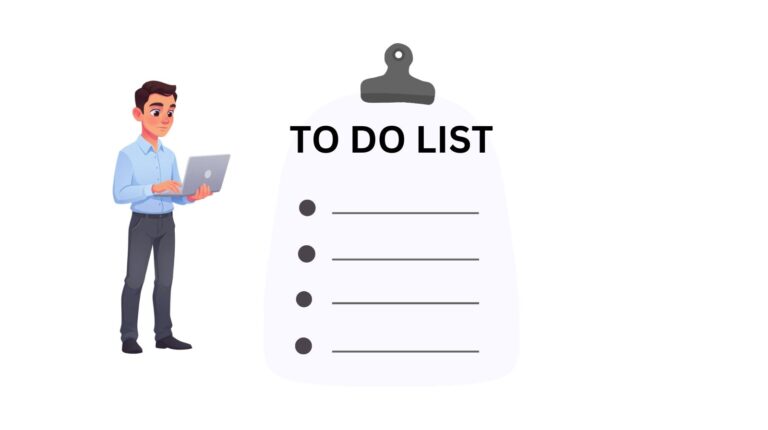
One of the simplest ways to stay productive is by planning your day.
When you start a day without a clear plan, you often spend your morning trying to decide what you are going to do for the day.
This can lead you to procrastinate and be vulnerable to distractions such as scrolling on TikTok for hours just because you don’t have anything to do.
By planning your day, you’ll have a clear roadmap, which will reduce your decision fatigue.
Write down your priority tasks for the next day. This way, you’ll eliminate the rush and uncertainty of the day.
You don’t need to try planning your whole day, but you should be able to avoid wasting time deciding what you’re going to do next.
Over time, this small habit will improve your productivity because you’ll begin to start each day with clarity instead of confusion.
System 2: Time Blocking
Distractions are one of the biggest reasons for people to struggle with staying productive.
Even if you have clear goals and a plan for the day, if you keep losing your focus to distractions, you won’t be productive.
Nowadays, it’s even easier to get distracted by constant interruptions.
Once you open any social media, short-form videos are always in your feed.
They’re even more catchy and give you the immediate gratification that you want.
But most of the time, those 10-second reels become a 2-hour procrastination time.
You have notifications, emails, and messages all day, which can break your concentration and make it much harder to return to the task you were working on.
Even if you’re using blocks.
One of the most effective ways to bypass these distractions is by intentionally creating an environment with fewer interruptions.
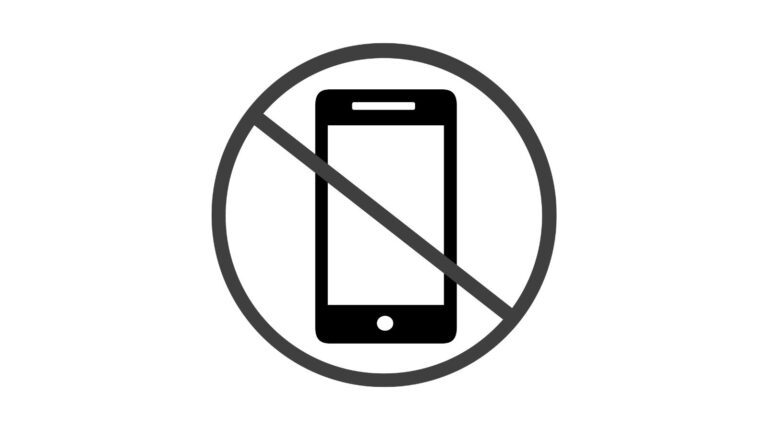
Start by turning off your notifications and even putting your phone away.
By removing these interruptions from your work environment, you don’t give yourself a chance to slip, staying focused for a much longer time.
System 3: Track Progress
Tracking your progress is a simple but one of the most powerful ways to stay productive.
I was never an agenda person. I haven’t owned one for years.
Since I started this blog, I felt the urge to get one. Not to validate my goals, but to keep track of my progress.
By tracking what you accomplish each day or week, you create a visible record of your current progress.
When you feel unmotivated, go back to the same agenda you’ve been writing on, and see how much progress you’ve made.
It doesn’t matter if you use tools like Notion, your phone’s notes, or even a physical one.
What really matters is what’s easier for you to actually write, each day with no blank spaces.
Seeing your progress written down makes your work feel tangible.
Instead of focusing on what you have left to do, you start to notice how much you have already accomplished.
Over time, these small wins create momentum, which will give you motivation, and, more importantly, the habit of taking action, leading you to stay productive.
Want more tips like these? Get weekly insights straight to your inbox.
System 4: The 3 Priority Rule (Focus on Only 3 Tasks Per Day)
One of the most common productivity mistakes you may be making is trying to do too many things at once.
When your to-do list contains ten or twenty tasks, you may feel overwhelmed.
Even if you finish half of them, it’s still a lot.
Instead of focusing on work that actually matters, you may spend time jumping between tasks without even finishing the urgent ones.
The 3 Priority Rule helps you solve this problem by limiting your focus to only three main tasks each day.
Identify these three tasks with System 1 (Plan your day) and don’t jump between them until you finish the one you decided to do first.
Once these three tasks are completed, you can consider your day as productive.
If you have more time, feel free to do it because it becomes a bonus instead of pressure.
Even if you don’t finish the fourth, you won’t feel unmotivated, because you already did what you had planned.
This system works because it forces you to actually focus on urgent tasks instead of everything, confusing relevant or even important tasks with urgent ones.
System 5: Weekly Review
Daily productivity is important, but long-term progress is even more important.
A weekly review is a system that helps you evaluate what you accomplished and what may require attention.
Instead of reacting to tasks in a daily habit, you take a moment to look at the bigger picture and analyze what needs to be better for the next one.
During a weekly review, you can reflect on your progress, on your unfinished work, and adjust priorities based on your progress for the next week.
This review doesn’t need to take more than 20 minutes. You simply review your goals, tasks, and priorities to help you stay focused and productive.
One habit that I developed is constantly looking at my main goal.
Whenever I feel unmotivated or not being as productive as I was, I sit by myself for ten minutes to think and reflect.
When you do this, you remind yourself of why you decided to pursue your goals or projects.
Some people, after some time, just forget why they started in the first place. And this can also be a cause of why they aren’t productive.
And that’s because they don’t have a final destination.
System 6: Build a Routine
This is one of the most effective ways to stay productive. Building a consistent routine.
When your work habits follow the same routine, you spend less time planning what to do next.
Following the most predictable structure during your days allows you to focus on your work instead of making new decisions.
A routine creates stability, which will reduce your stress and improve your productivity.
When you already know what to do, it’s easier not to feel distracted by external factors.
Learning how to stay consistent without motivation can help reinforce these habits.
But that doesn’t mean every day must be the same.
The goal is to create a framework that constantly helps you stay productive, organized, and focused during your work time.
Use this calculator to score your productivity day — enter your tasks, hours and breaks to get your daily score:
How to Avoid Burnout While Staying Productive
While productivity is important for achieving your goals, if you keep pushing yourself too hard, you can feel burned out.
Many people believe that you should work without breaks. But that’s not true.
Having a good night’s sleep will improve your mood, attention span, focus, productivity, and memory.
Earlier, I said that you should differentiate important tasks from urgent tasks.
But that’s another topic if you’re feeling burned out.
Instead of trying to finish urgent tasks, even though your mental state isn’t helping you.
Consider prioritizing your tasks based on your energy levels, instead of urgency.
This way, you’ll feel more productive and actually have something done, rather than trying to rush things just to say you’ve finished something.
I always used methods like Pomodoro to help me finish my assignments.
By utilizing these methods, you’ll learn how to maintain a sustainable workload.
Don’t try to make everything in ten hours with no pauses. It will only cause you harm.
Instead, focus on working for an hour or even two hours in a row, where you’ll feel the most productive, and then take a ten to twenty-minute pause.
It’s important to finish your work, but it’s even more important to rest, because without it, you won’t be able to work as well as you can.
Focus on maintaining a pace that you can sustain over the long run. Like I said earlier, if you do more than planned, that’s a bonus.
By combining systems with proper rest, you can stay productive while protecting your mental health, energy, and motivation.
Final Thoughts
Staying productive every day isn’t about feeling motivated all the time.
In fact, motivation will come and go. Relying on it alone often leads to inconsistency and a lack of productivity.
What truly makes productivity sustainable is having simple systems that guide your actions during your day.
These systems will remove the uncertainty and procrastination time out of your day, making it easier for you to take action.
Even when you don’t want to.
Start by implementing one or two of these systems and gradually implement even more.
If you want to stay productive even when motivation disappears, learning how to stay consistent becomes essential.
Related Posts